E-Waste Pickup Made Easy: What to Expect From Our Recycling Services
E-waste has grown into a significant environmental concern as technological advancements progress. Many consumers find it challenging to get rid of their outdated electronics in an eco-friendly manner. Learning about the e-waste pickup process can streamline this important duty. Understanding what to anticipate from expert recycling providers is essential. As the need for effective waste management rises, the impact on both people and the planet deserve greater attention.
What Is Electronic Waste and Why Does It Matter?
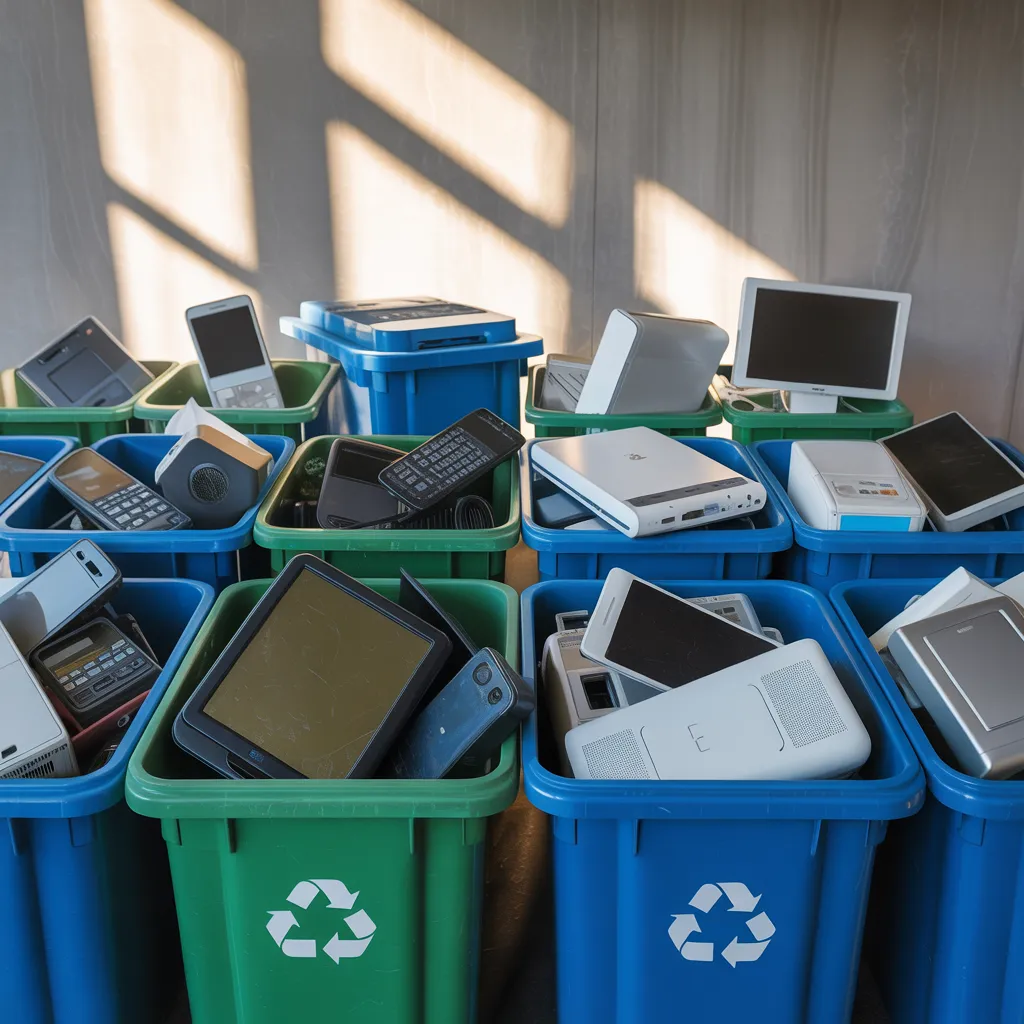
Electronic waste, commonly referred to as e-waste, includes obsolete electronic products like smartphones, computers, and televisions. This increasing type of waste creates substantial environmental hazards. As technology advances rapidly, many consumers find themselves upgrading devices more frequently, leading to an increase in electronic waste. Careless disposal practices may cause dangerous chemicals, including lead, mercury, and cadmium, to leach into the environment, tainting soil and water resources.
Additionally, e-waste leads to resource depletion, as precious materials such as gold, silver, and copper are often lost when devices are thrown away rather than recycled. Spreading knowledge of e-waste is essential, as individuals and businesses alike can take part in reducing its impact. By recognizing the consequences of e-waste, communities can participate in more responsible disposal practices and support recycling initiatives. Ultimately, caring about e-waste not only protects our natural surroundings but also promotes a circular economy.
E-Waste Recycling Items We Accept
An extensive variety of electronic devices are eligible for recycling, helping to mitigate the environmental impact of e-waste. Common items include old computers, laptops, tablets, and smartphones, which often contain hazardous materials. Moreover, peripherals such as printers, keyboards, and mice are also accepted. Televisions, monitors, and other display devices are included in the accepted categories, providing proper handling of toxic components.
Home appliances, such as microwaves and refrigerators, can also be accepted, as long as they are no longer working. Batteries, particularly rechargeable types, are essential for recycling owing to the chemicals they contain. Networking devices, audio equipment, and gaming consoles are further examples of acceptable items.
How to Arrange Your E-Waste Pickup
Looking to set up an e-waste pickup? Arranging an e-waste pickup is a simple procedure built around ease of use. Anyone interested can start by navigating to the recycling service's website, where they will find a dedicated section for scheduling pickups. In most cases, a simple online form is provided that collects fundamental information such as your name, location, and the categories of e-waste for collection.
Once the form has been submitted, applicants should anticipate a follow-up email outlining the confirmed date and time. Many services also offer a phone option for people who prefer a more personal approach. Checking for any particular prerequisites, including item packaging or preparation guidelines, ahead of the collection time. Finally, some recycling services may provide extra information and suggestions for efficient e-waste disposal, ensuring a smooth and effective collection process. This makes it easy for anyone to contribute to responsible e-waste management.
Why E-Waste Disposal Should Matter to You
E-waste disposal is vital for safeguarding the environment and public health. Mishandling electronic waste can result in dangerous substances polluting soil and water sources, creating significant health hazards. Acknowledging the necessity of responsible electronic waste management is fundamental to achieving a sustainable future.
Environmental Awareness and Impact
Why should individuals be concerned about the disposal of electronic waste? E-waste poses a serious threat to the environment, as improperly discarded electronics contribute to pollution and resource depletion. Numerous electronic devices are made with hazardous materials, including lead and mercury, which have the potential to contaminate soil and water, posing a threat to ecosystems and wildlife. Moreover, improperly disposed e-waste results in the forfeiture of recyclable resources like gold, copper, and rare earth elements. Through greater awareness of responsible e-waste disposal, individuals are able to lower their carbon footprint and encourage sustainable habits. Supporting recycling initiatives not only minimizes environmental harm but also fosters a circular economy, where materials are reused and repurposed, ultimately benefiting future generations and the planet.
Health Risks Mitigation
Improper disposal View website of electronic waste poses serious health risks to communities and individuals alike. Dangerous materials contained in e-waste, such as lead, mercury, and cadmium, can infiltrate soil and groundwater, tainting local water supplies and food sources. Contact with these dangerous substances can result in serious health complications, such as neurological damage, respiratory disorders, and elevated cancer risks. Moreover, unofficial recycling operations tend to intensify these hazards, since workers may not have proper protective gear when disassembling devices. Through choosing responsible e-waste management via certified recycling programs, individuals can reduce these health risks, creating healthier environments for themselves and their communities. Awareness of these dangers underscores the critical importance of proper e-waste management.
How We Ensure Safe and Eco-Friendly E-Waste Recycling
In a society becoming progressively more reliant on technology, the responsible and environmentally conscious recycling of electronic waste is vital for ecological balance. To accomplish this goal, companies implement rigorous processes that adhere to environmental regulations and best practices. They start by performing thorough assessments of e-waste, sorting components by material types and potential hazards. This confirms that toxic compounds, such as lead and mercury, are handled appropriately.
Next, innovative recycling approaches are implemented to recover precious materials, decreasing the environmental burden on landfills. Dedicated facilities outfitted with cutting-edge technology methodically dismantle equipment, separating components for reuse or recycling. In addition, these firms emphasize building relationships with certified recyclers who are aligned with sustainable and eco-friendly values.
Employee training further enhances protective measures, guaranteeing that every employee is well-informed regarding handling potentially hazardous materials. Via these thorough methods, companies serve a vital function in promoting a circular economy while preserving both public health and ecological integrity.
Top Reasons to Use Our E-Waste Pickup Services
Utilizing expert electronic waste collection services facilitates the process of disposing of unneeded electronic items while supporting environmental responsibility. Such solutions eliminate the challenge of transporting items, enabling consumers to readily book pickup times at their scheduling preference. This not only conserves time but also reduces the chance of inappropriate disposal, confirming that toxic materials are treated responsibly.
Additionally, these providers often offer documentation substantiating the recycling procedure, which is helpful for organizations striving to meet regulations. Employing qualified solutions also enhances public consciousness about electronic waste concerns, prompting more people to embrace eco-friendly habits.
Additionally, numerous electronic waste pickup companies partner with approved recycling plants, making certain that all materials are handled in an eco-friendly way. This combined initiative has a major impact on decreasing landfill accumulation and protecting natural resources, rendering e-waste removal services a sustainable solution for households and companies alike.
Frequently Asked Questions About E-Waste Disposal
What are the key things to know about e-waste disposal? Numerous people frequently have inquiries about the appropriate methods and rules surrounding electronic waste. Initially, it is important to acknowledge that e-waste comprises disposed devices including computers, televisions, and smartphones, which carry dangerous materials. Responsible disposal is critical for safeguarding the environment.
Another common inquiry pertains to local recycling options. Several communities have designated drop-off locations or scheduled pickup services for e-waste. We recommend reviewing area-specific rules, as some areas may have specific guidelines for disposal.
People frequently ask about information security. Prior to recycling electronic devices, users must confirm that all stored personal details are permanently removed.
As a final point, there may be concerns about costs. Most e-waste recycling facilities offer their services free of charge, but some may charge fees for certain items. Comprehending these elements can support proper e-waste handling.
Common Questions and Answers
How Do You Ensure Data Security During E-Waste Recycling?
To maintain information security throughout the e-waste recycling process, the organization utilizes certified methods of data destruction, including physically destroying storage devices and comprehensive data wiping, thereby safeguarding critical information throughout the recycling process.
What Happens to E-Waste After Pickup?
Once collected, e-waste gets sorted, taken apart, and processed. Useful materials are extracted for reuse, while toxic components are responsibly eliminated. This secures environmental integrity and encourages material conservation during recycling.
Are There Any Costs Associated with E-Waste Pickup?
Costs for e-scrap retrieval may differ based on location and service provider. A number of service providers could include free pickup, while alternative companies may apply a fee based on the amount or kind of electronic materials scheduled for collection.
Is It Possible to Donate My Old Electronics?
People can certainly contribute old electronic devices to numerous nonprofit organizations, educational institutions, or community hubs. Most of these organizations welcome working devices, promoting reuse while reducing waste. Giving away electronics helps those who need them most, making it a worthwhile and positive decision.
What Is the Environmental Impact of E-Waste Recycling?
The environmental impact of e-waste recycling is significant, decreasing landfill congestion, protecting essential natural resources, and reducing the release of hazardous materials. Proper recycling methods advance sustainability and decrease the ecological footprint associated with discarded electronics.